Living Light on the Mountain: Crafting Chalets in Local Timber and Heritage Joinery

From forest edge to ridgeline, we explore sustainable Alpine chalet design using locally harvested timber and time-honored joinery. Discover how regional woods, low-impact building physics, and resilient craft create warm interiors, quiet footprints, and architecture that belongs to its climate, culture, and slope. Walk through materials, methods, stories, and practical decisions that let a house breathe, flex, and last while honoring foresters, carpenters, and the communities anchoring these high valleys.

Roots in the Forest: Selecting Species and Stewarding Supply

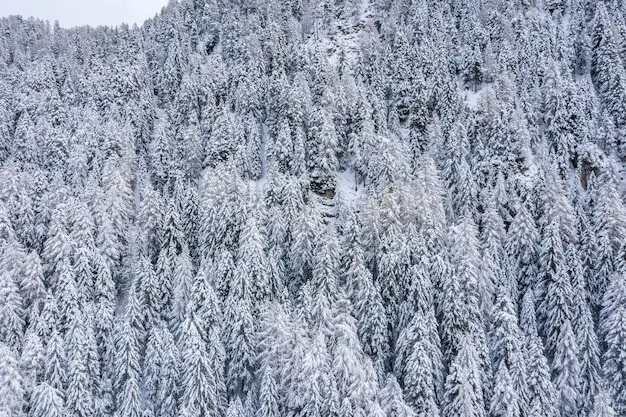
A chalet begins long before the first sill plate is set, in forests where careful stewardship shapes strength, durability, and beauty. Choosing between spruce, larch, and stone pine means reading grain, moisture behavior, and scent, while supporting nearby mills and thoughtful silviculture. Fewer transport miles slash embodied carbon, and relationships with foresters ensure traceable logs, respectful harvesting, and the quiet confidence that every beam carries place and responsibility within its rings.

Joinery That Breathes: Strength Without Hidden Steel

Traditional connections carry loads, manage movement, and invite repair. Dovetails lock corners against racking, scarf joints pass bending without drama, and pegged mortise-and-tenon frames pulse gently with humidity shifts. Such details respect wood’s anisotropic character, allowing chalets to flex under snow and settle kindly over seasons. Instead of resisting nature, these connections collaborate with it, tightening when needed, relaxing when safe, and offering a graceful path for centuries of serviceable life.

Corners That Refuse to Twist

Scribe-fit saddles and dovetails create self-registering geometry, turning gravity and friction into allies. As loads travel through crisp bearing surfaces, shear finds predictable paths and checks remain superficial. Carpenters chase crisp shoulders, burnish fibers, and seat pegs with nothing more than a mallet’s hush. When storms shove and snow stacks deep, these corners hold true, not by brute force, but through insight into wood’s will, direction, and polite insistence.

Repair, Reuse, and Rejoice

Reversible joints future-proof buildings. Drawbored pegs can be removed, shoulders refined, and members replaced without violating the whole. This humility encourages maintenance rather than neglect. When roofs demand longer eaves or a beam earns retirement, the frame welcomes change like old friends at the table. Rather than hiding behind adhesives, the assembly speaks legibly, letting caretakers diagnose, mend, and celebrate the way small adjustments grant decades of added grace.

Passive Comfort in Harsh Climates

A mountain house should sip energy while staying delightfully warm, quiet, and dry. Orientation gathers winter sun, deep eaves tame summer glare, and compact forms shield against icy winds. Vapor-open yet airtight assemblies let structures breathe without leaks, pairing wood-fiber insulation with careful detailing to dodge thermal bridges. Balanced ventilation recovers heat, filters alpine pollen, and preserves timber health. The result is serenity: steady temperatures, gentle humidity, and bills that barely whisper.

Building With the Land: Foundations, Forms, and Snow

Respecting the slope reduces excavation, concrete, and cost. Stone plinths or micro-piles lift timber from splash zones, letting air and light patrol quietly. Compact, steep-roofed forms shed snow predictably, while sheltered entries and wind baffles turn blizzards into background theater. Paths, drainage, and planting weave together to guide meltwater safely downhill. Each decision listens to avalanche lines, sun angles, and soil, composing a silhouette that looks inevitable rather than imposed.

Life Cycle, Carbon, and Circular Thinking

Design decisions echo across decades. Local timber stores biogenic carbon while manufacturing uses modest energy. Thoughtful detailing lowers maintenance and extends service life, reducing replacements and waste. When change eventually arrives, reversible connections and clean material layers enable reuse. Life-cycle assessment, even sketched early, exposes hotspots and tradeoffs, guiding smarter choices without stifling creativity. In high valleys, sustainability feels less like doctrine and more like neighborly common sense, multiplied over time.
Embodied carbon hides in transportation, adhesives, and metals. Choose wood-fiber boards instead of foam, specify sawmill proximity, and keep steel where it truly shines. Publishing Environmental Product Declarations helps, yet field notes matter: crane hours, offcut reuse, and careful sequencing. Track these lightly, celebrate improvements openly, and the numbers begin to honor the story—a house that stores more than it spends, and gives comfort without tugging hard on the planet.
Avoid gluing what could be pegged. Keep layers legible so future caretakers understand how to open, mend, and reassemble. Standardize spans and modules where it helps, but let craft flourish in visible surfaces. When a balcony someday relocates, or a studio becomes a nursery, parts can travel, not trash. Salvaged timbers gain new chapters, and hardware returns to bins. Buildings designed like toolkits stay valuable, adaptable, and surprisingly joyful to evolve.

Stories from a High-Valley Workshop

Morning with the Cooperative
At dawn, the yard wakes to clanking chains and the warm rasp of a bandsaw. A forester arrives with logs marked like constellations, each stamp a breadcrumb back to a stand thinned by care. We cup coffee, debate grain for stair treads, and divvy offcuts for neighbors’ stoves. By noon, boards sticker into tidy towers, and everyone leaves a little richer in stories, resin-smudged smiles, and confidence that this work fits the valley.

Commissioning on the Coldest Night

When the mercury hid below the scale, we ran a blower-door test that felt like mountain magic. Smoke pencils traced a stubborn leak around a balcony bracket until a final length of tape hushed it. The ventilation warmed gently, windows stayed clear, and tea steamed like a small signal fire. Outside, snow creaked. Inside, joints tightened, wood exhaled, and the chalet proved itself not with heroics, but with quiet, measurable grace.

Join Our Circle and Keep the Story Going

Tell us what you are sketching, building, or dreaming for your own hillside. Share a lesson from your grandfather’s workshop, or ask for a detail you want drawn in the next post. Subscribe for field notes, cut lists, and seasonal checklists. Your questions shape our experiments, and your insights keep us honest. Together, we can grow a library of practical wisdom that smells of sawdust and points true in any weather.
Zentovexosirazori
Privacy Overview

This website uses cookies so that we can provide you with the best user experience possible. Cookie information is stored in your browser and performs functions such as recognising you when you return to our website and helping our team to understand which sections of the website you find most interesting and useful.